
3-Component High-Pressure Foaming Machine
JPU100-3 designed for dual-hardness foam parts — closed-loop control, ideal for automotive seats and e-bike saddles
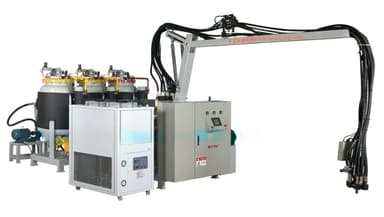
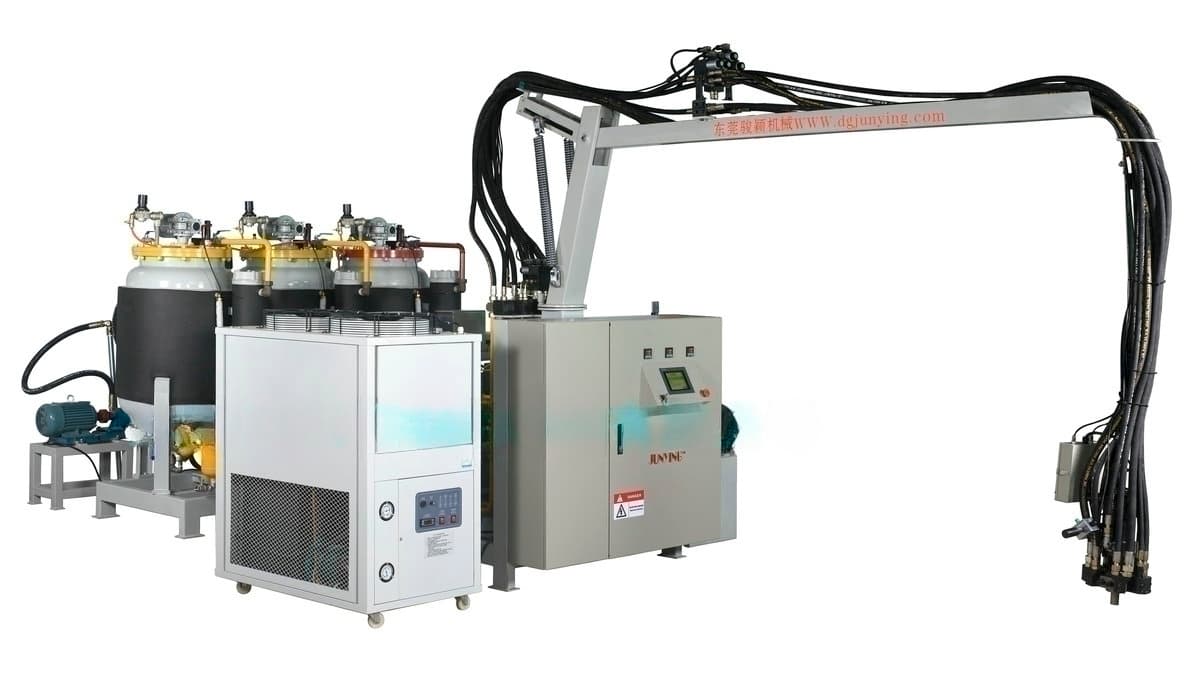
The JPU100-3 3-Component High-Pressure Foaming Machine is specifically developed by Junying for dual-hardness foam production, including automotive seats, motorcycle and e-bike saddles, pillows, cushions, and products that require flexible / rigid foam combinations or multi-formula switching. It features closed-loop control — the PLC reads flowmeter pulse counts, automatically compares actual vs. set shot volumes, and corrects flow deviation. Before each shot, the PLC scans pressure, flow, and mixing ratio parameters and triggers an alarm with fault display if any anomaly is detected. Each component can be switched instantaneously without interfering with the others; the machine can work with a robot to follow preset mold-cavity trajectories, with two injection programs per mold carrier.
Selecting equipment for dual-hardness parts
The JPU100-3 focuses on dual-hardness foam parts and production requiring formulation switching, including automotive seats, motorcycle and e-bike saddles, pillows, and cushions. Begin by defining the soft and firm regions, support requirements, and rebound characteristics, then discuss the material combination, mold, and pouring approach. A three-component machine is not a universal upgrade from a two-component model; the choice depends on the part structure and material plan.
Closed-loop control and mold-carrier coordination
Flowmeters and the PLC compare target and actual shot volumes and correct flow deviation. Pressure, flow, and ratio are checked before a shot, with an alarm when an abnormal condition is detected. The product supports robotic pouring along preset mold-cavity paths and two injection programs per mold carrier. Project planning should also address mold count, materials, and target production rhythm to determine whether a disc conveyor and robot are appropriate. These supporting options should not be assumed to be standard on every machine.
Highlights
- Engineered specifically for dual-hardness foam parts
- Closed-loop control with automatic flow deviation correction
- Instantaneous component switching with zero cross-interference
- Compatible with robotic preset-path pouring inside the mold cavity
- Ideal for automotive seats, motorcycle and e-bike saddles
- Configurable around flexible / rigid foam, rebound feel, mold count, and production rhythm
Specifications
| Components | 3-Component |
| Control System | PLC Closed-Loop + Touchscreen |
INTERACTIVE CUTAWAY
Open the machine and follow one complete shot
Select the storage system, metering pump, flowmeter, PLC or mixing head to see its role, best-fit situations and related equipment.
01 / 05
Tanks & storage
What it does
Holds components A and B before metering and works with temperature control, agitation and refill conditions to keep material entering the machine more consistent.
When it matters most
Continuous production, central feeding for multiple machines, high material consumption, or any line where manual refill would interrupt rhythm.
Related parts and equipment
Real applications for this model
2 more applications are listed further down this page.
How are final specifications confirmed?
The table only shows fixed values supported by current technical records. An engineer confirms all remaining dimensions, power and cycle requirements against your production conditions. Share these four inputs for a more accurate proposal:
- Material system or finished product
- Target output, shot weight and cycle time
- Mold quantity, dimensions and pouring method
- Available power, space and safety requirements
Demo Video
Gallery
Companion Equipment
Accessories
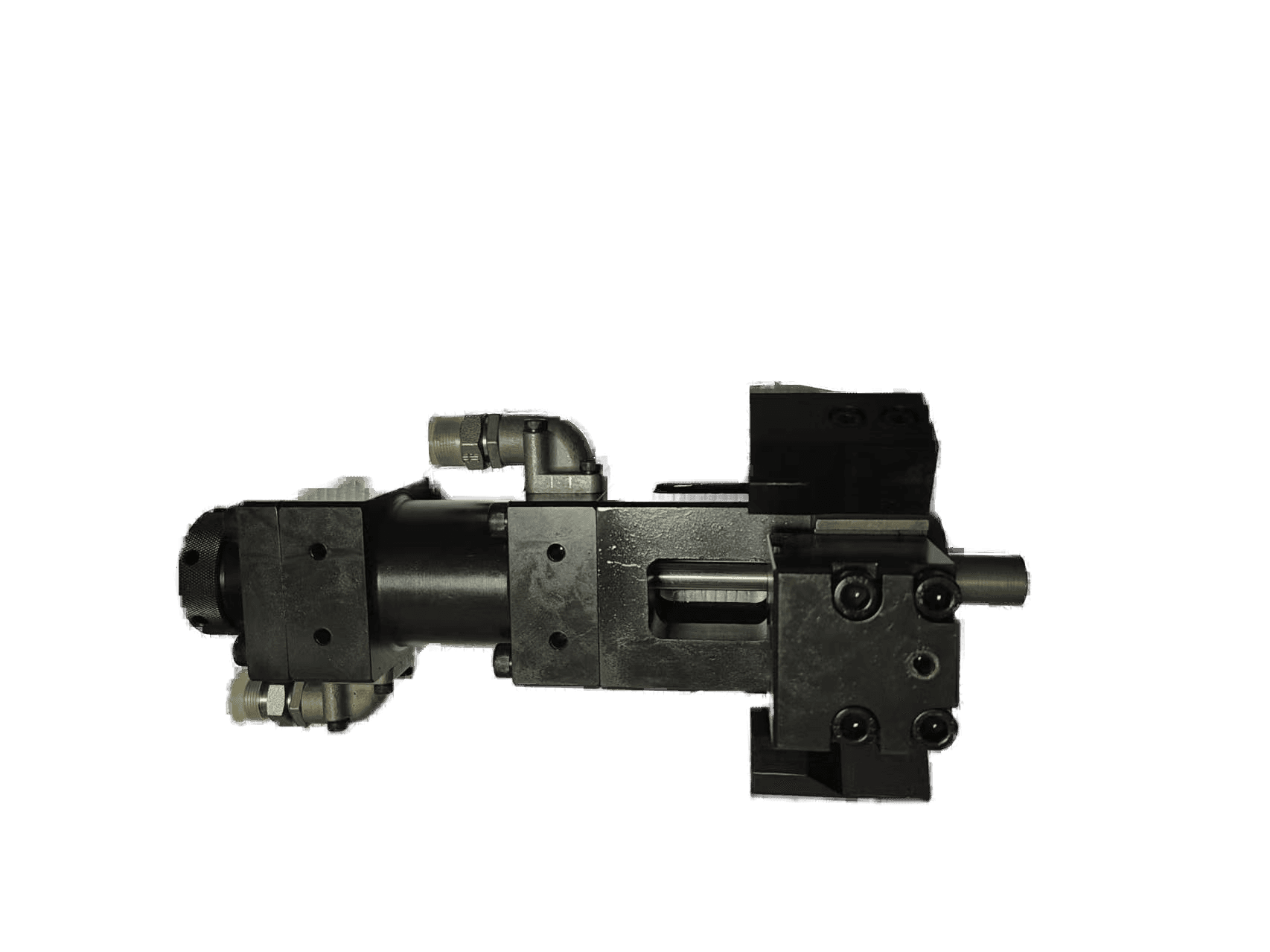
High-Pressure Mixing Head
Multiple models covering all flow ranges — universal fit for all High-Pressure Foaming Machines, customizable
Auxiliary Equipment
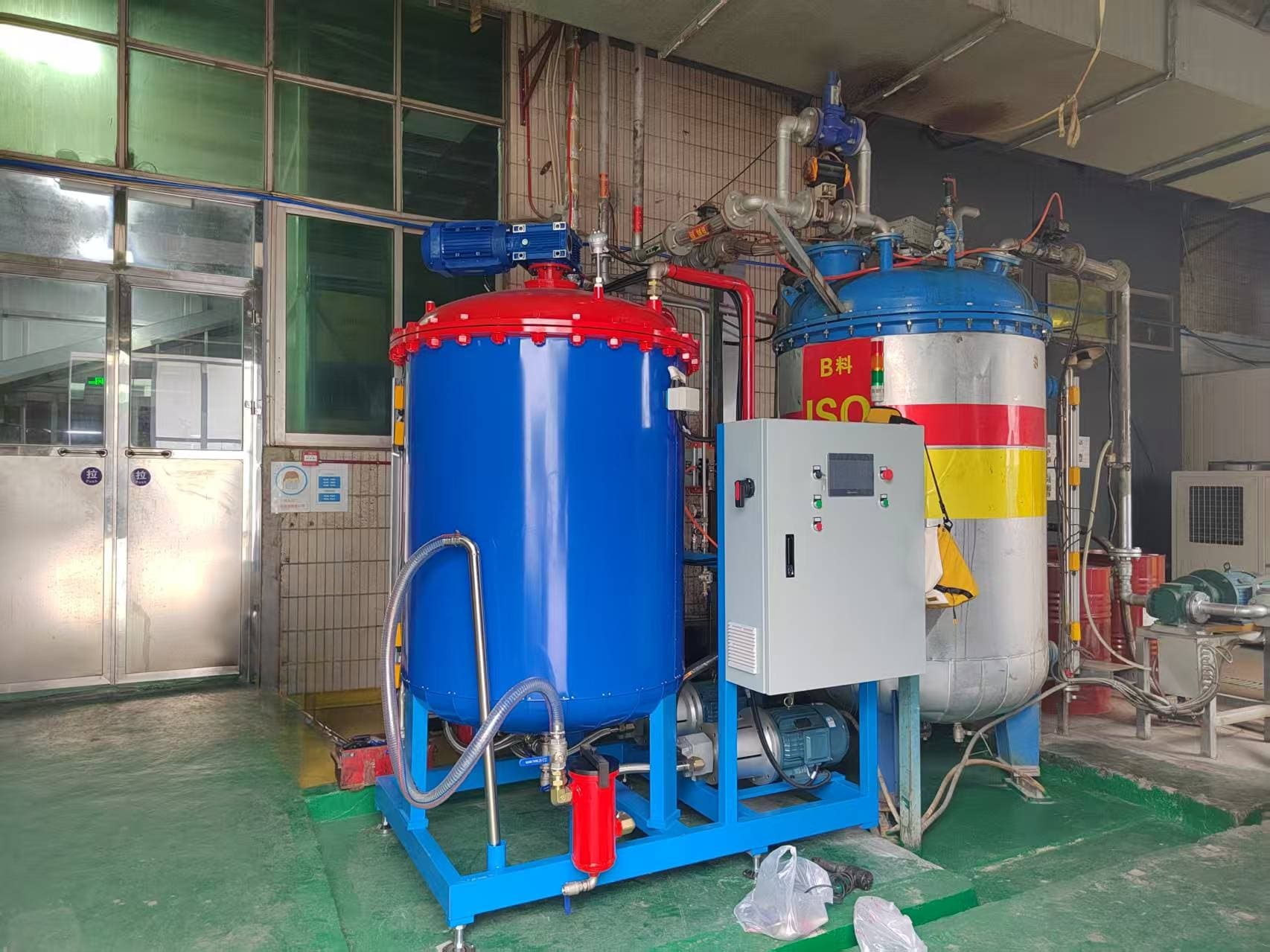
Intermediate Storage Tank
Automatic material refill to keep foaming machines running without interruption
Auxiliary Equipment
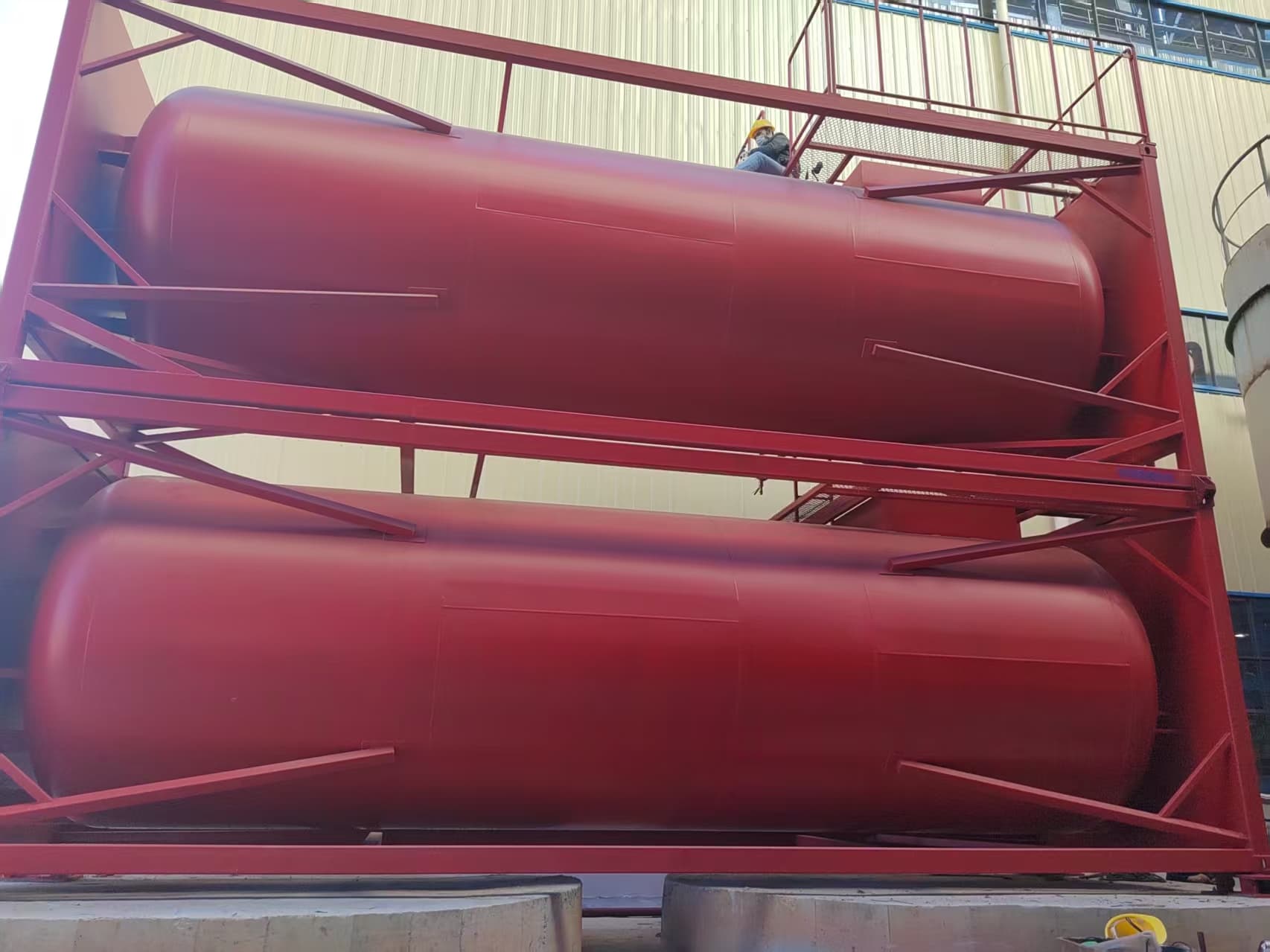
Central Material Feeding & Storage System
Fully automated material unloading, temperature control, storage, and feeding — for high-volume operations
Auxiliary Equipment
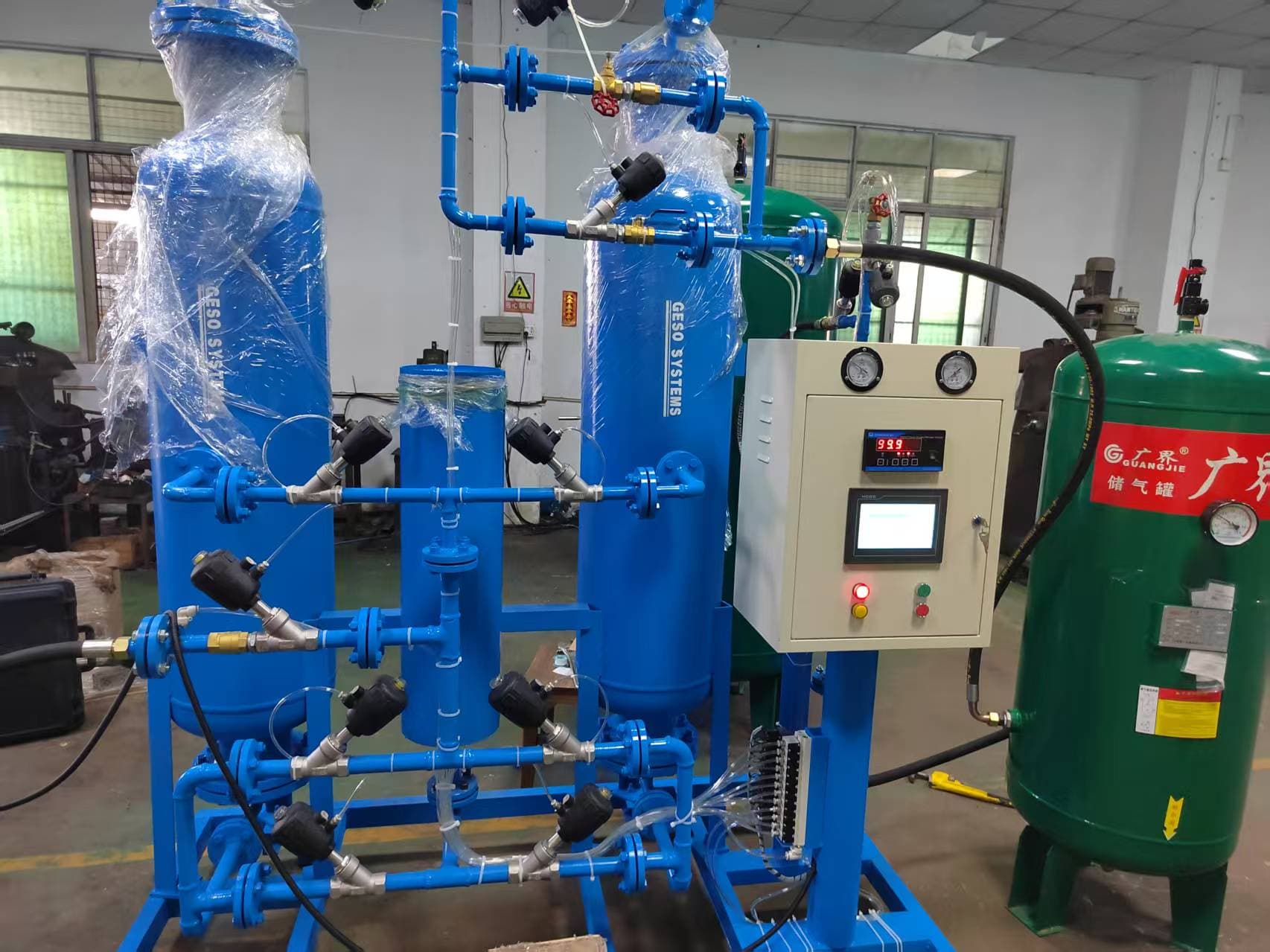
Large-Scale Nitrogen Generator
Nitrogen blanketing to prevent MDI crystallization in storage
Foaming Machines
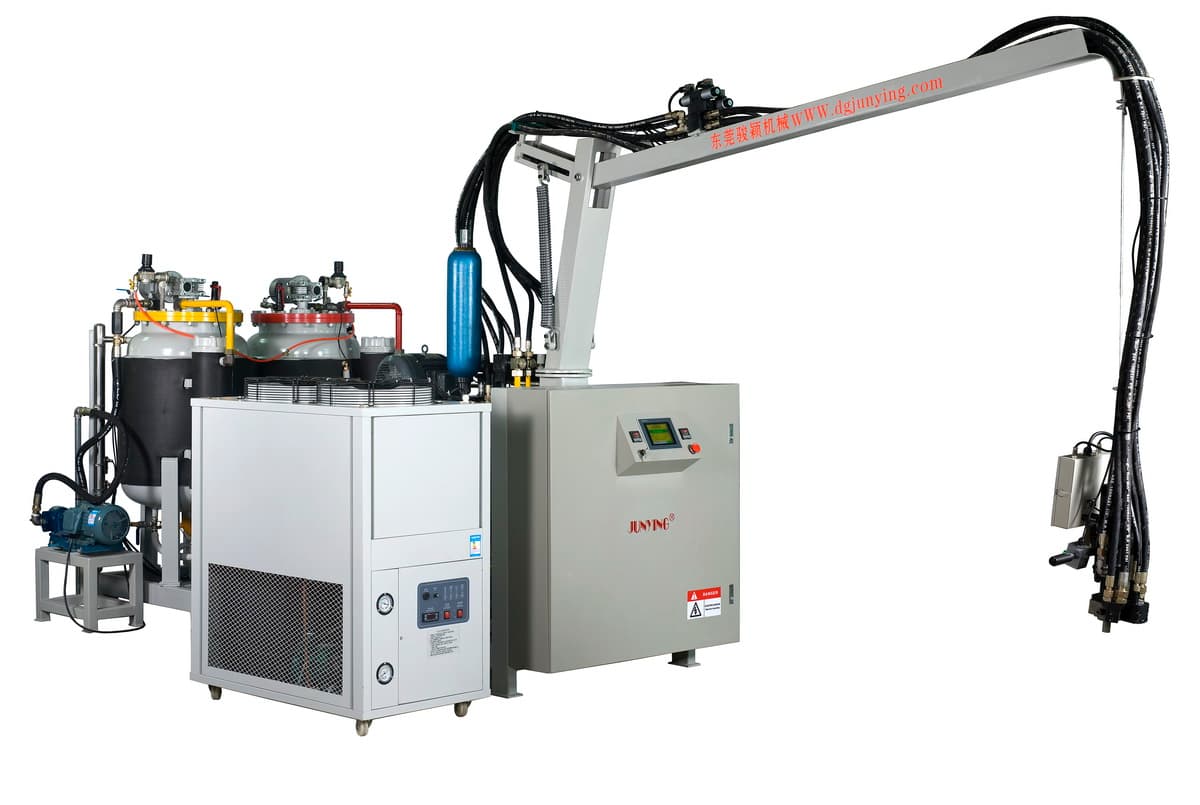
2-Component High-Pressure Foaming Machine
JPU 2-Component High-Pressure Foaming Machine — widest application range: Home Appliances, Insulation Materials, Automotive Interior, Door Panels, Imitation Wood