

Cyclopentane High-Pressure Foaming Machine
Eco-friendly Cyclopentane foaming — ideal for Refrigerators, Freezers and Insulation Materials, gas alarm system standard
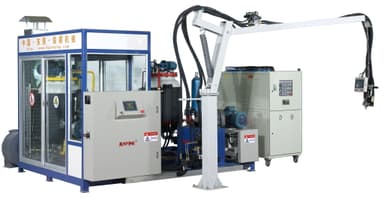
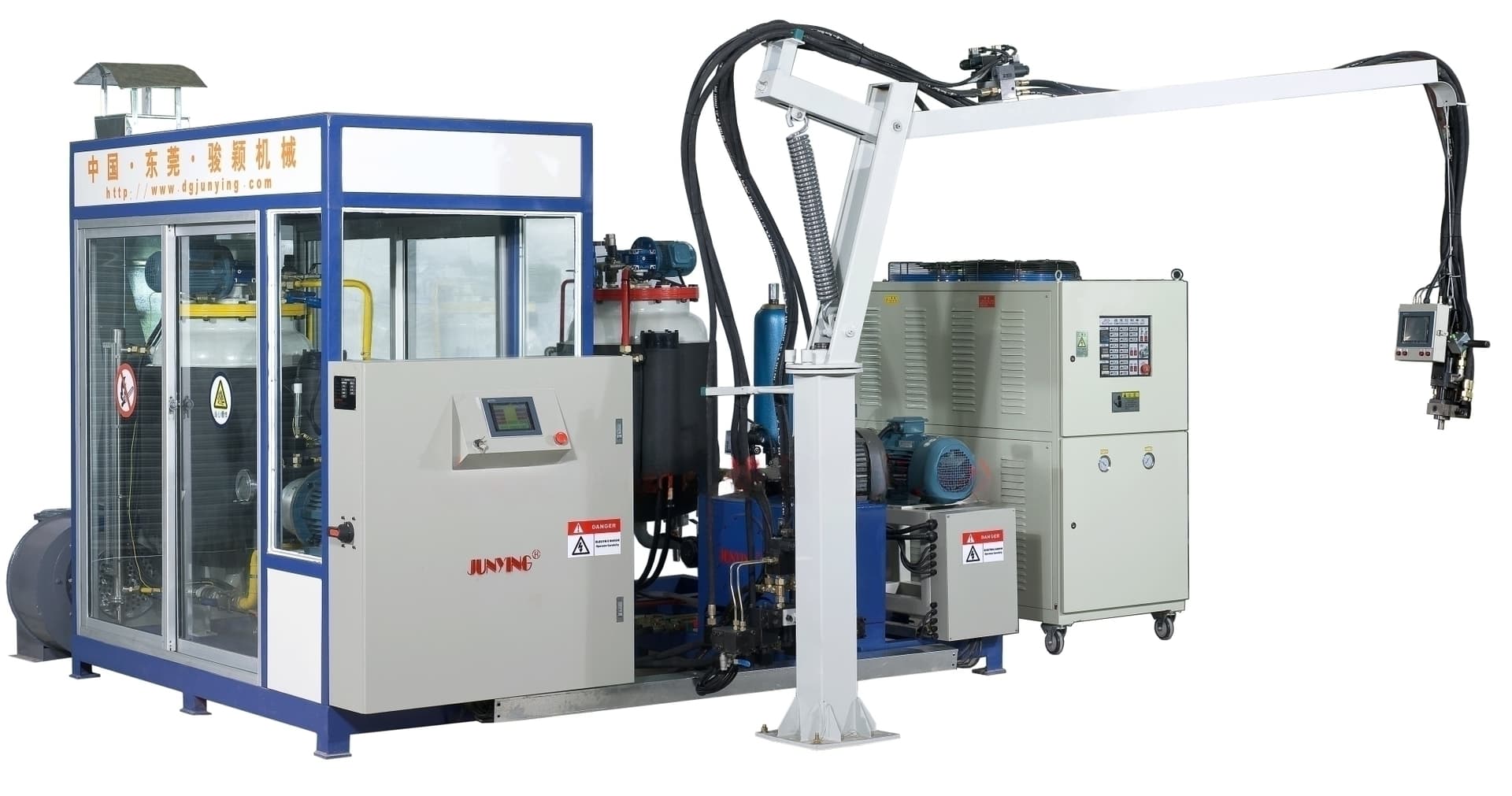
The Cyclopentane High-Pressure Foaming Machine serves rigid-foam insulation applications such as refrigerators, freezers, water heaters, insulated boxes, and insulation building materials, especially appliance and insulation projects requiring eco-friendly blowing agents and batch-positioned foaming. The machine is configured around the safety requirements of cyclopentane blowing agents with gas alarm protection, and can be combined with multi-station lines for continuous appliance-insulation production. Junying can also evaluate cyclopentane retrofit plans based on existing feeding systems, safety configuration, and line rhythm.
Highlights
- Cyclopentane eco-friendly blowing agent, replacing ODS
- Suitable for refrigerator, freezer, water-heater, and insulated-box insulation layers
- Gas safety alarm system included as standard
- Can be paired with Multi-Station lines for batch-positioned appliance insulation foaming
- High shot-to-shot repeatability and stable performance
- Cyclopentane retrofit service available for existing equipment
Specifications
| Blowing Agent | Cyclopentane |
INTERACTIVE CUTAWAY
Open the machine and follow one complete shot
Select the storage system, metering pump, flowmeter, PLC or mixing head to see its role, best-fit situations and related equipment.
01 / 05
Tanks & storage
What it does
Holds components A and B before metering and works with temperature control, agitation and refill conditions to keep material entering the machine more consistent.
When it matters most
Continuous production, central feeding for multiple machines, high material consumption, or any line where manual refill would interrupt rhythm.
Related parts and equipment
Real applications for this model
How are final specifications confirmed?
The table only shows fixed values supported by current technical records. An engineer confirms all remaining dimensions, power and cycle requirements against your production conditions. Share these four inputs for a more accurate proposal:
- Material system or finished product
- Target output, shot weight and cycle time
- Mold quantity, dimensions and pouring method
- Available power, space and safety requirements
Gallery
Companion Equipment
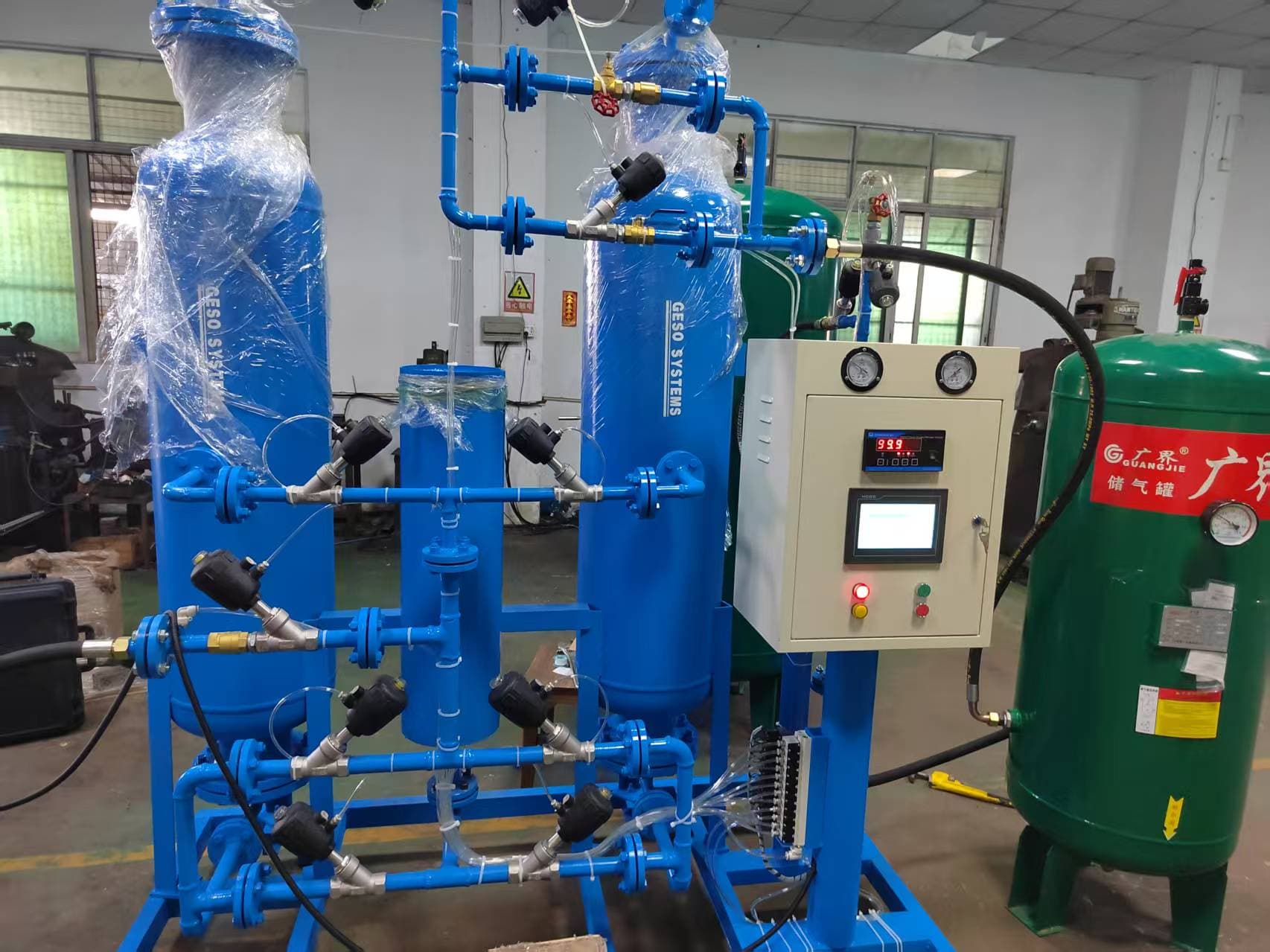
Auxiliary Equipment
Large-Scale Nitrogen Generator
Nitrogen blanketing to prevent MDI crystallization in storage
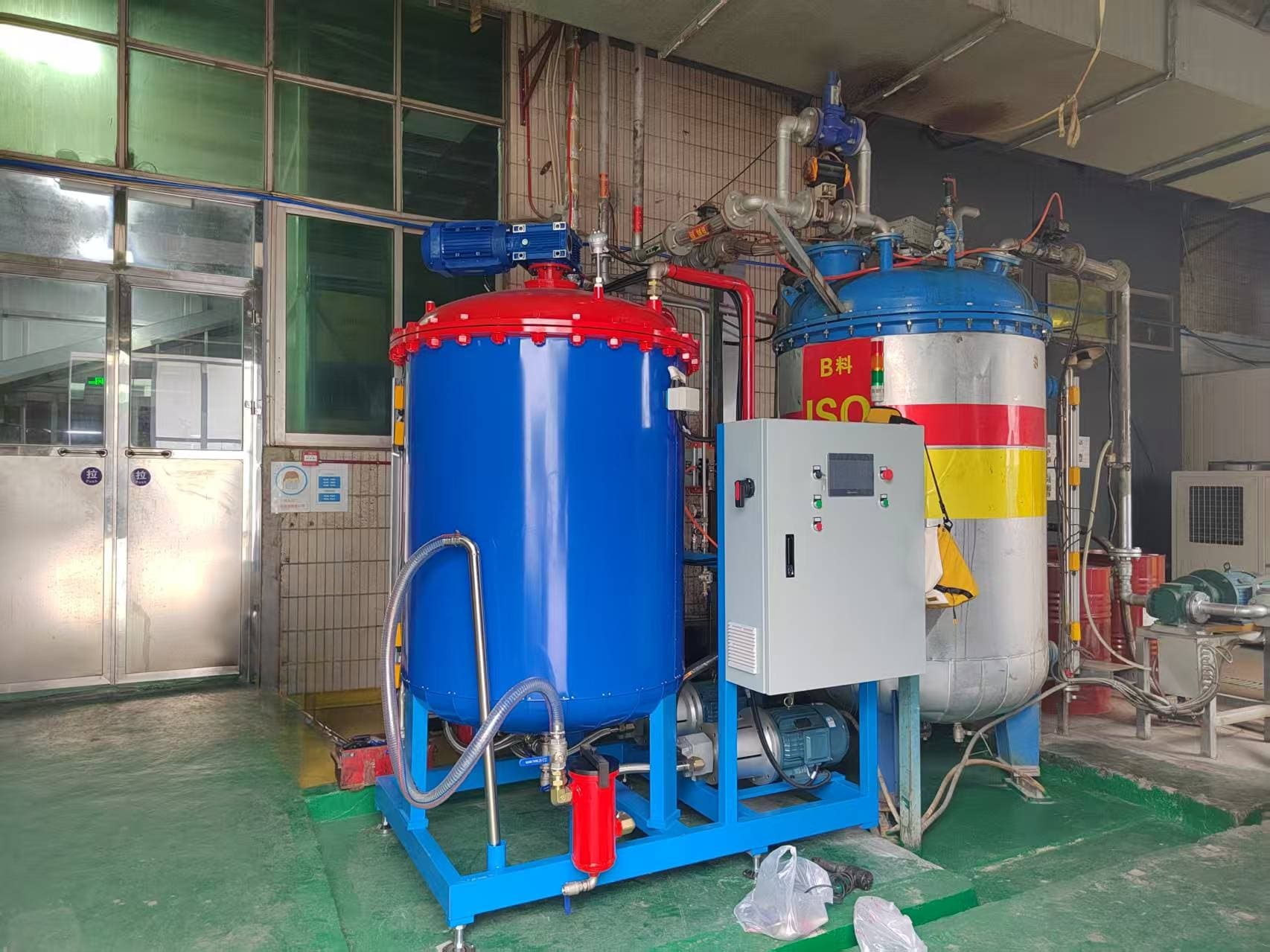
Auxiliary Equipment
Intermediate Storage Tank
Automatic material refill to keep foaming machines running without interruption
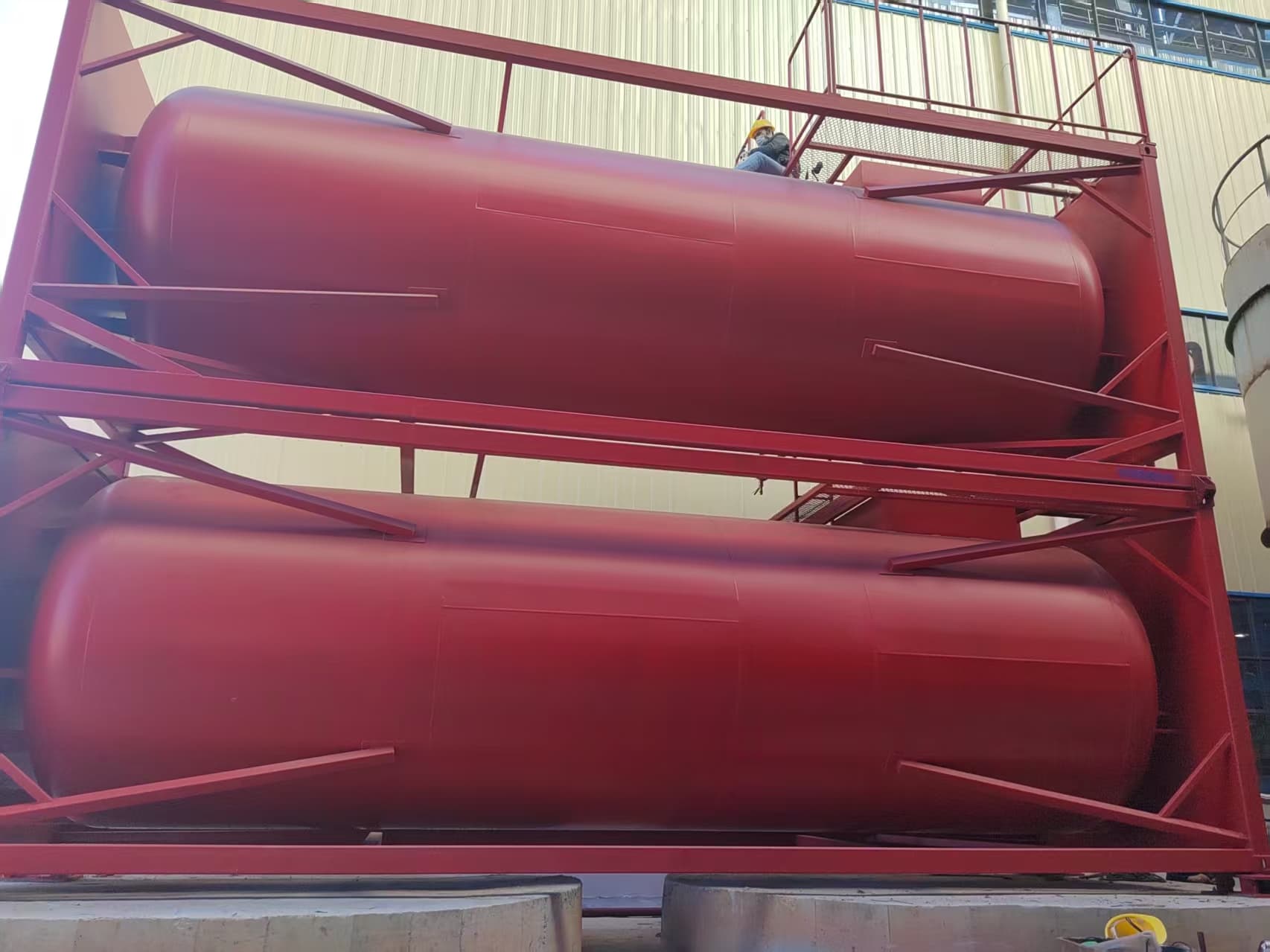
Auxiliary Equipment
Central Material Feeding & Storage System
Fully automated material unloading, temperature control, storage, and feeding — for high-volume operations
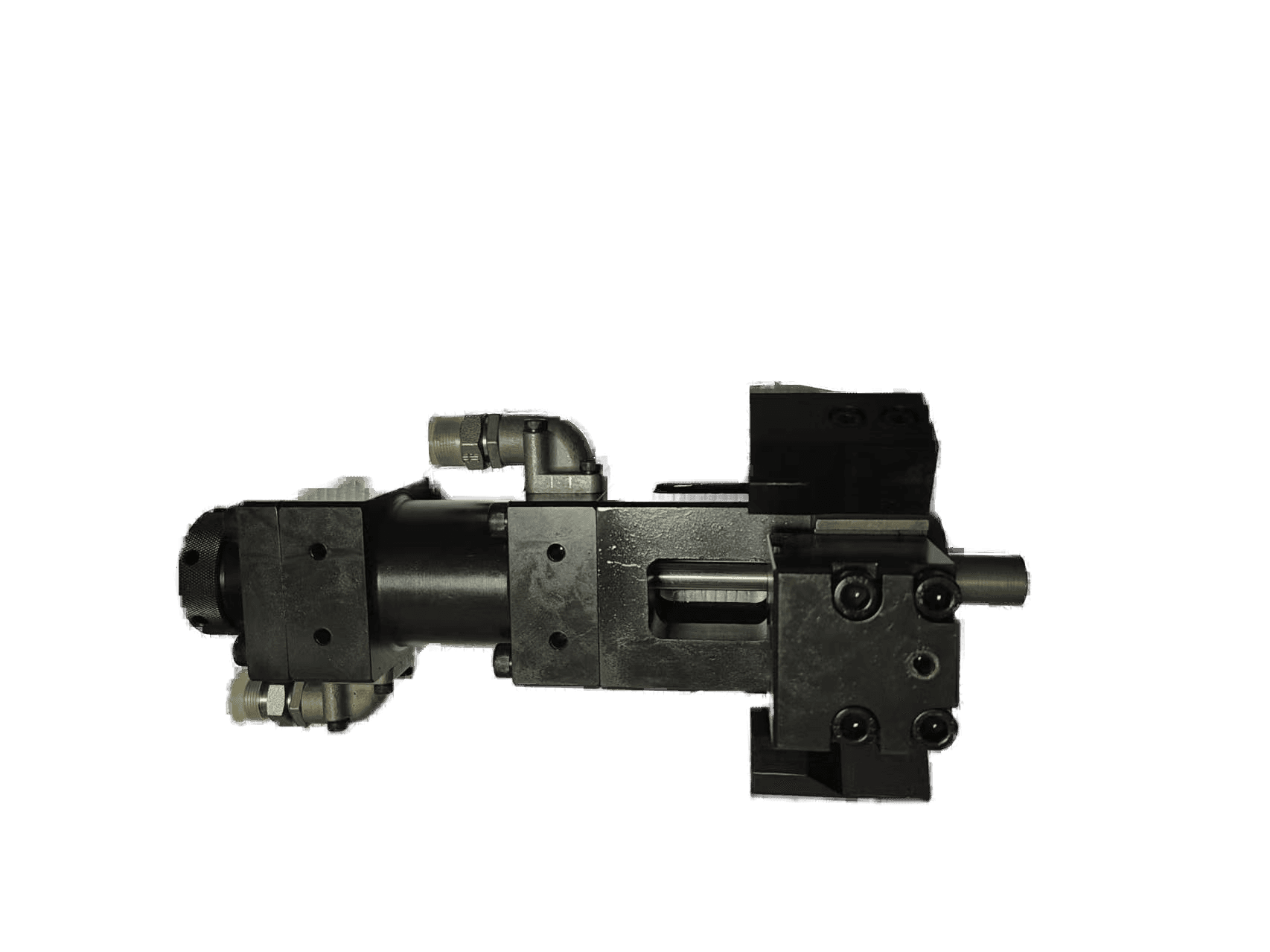
Accessories
High-Pressure Mixing Head
Multiple models covering all flow ranges — universal fit for all High-Pressure Foaming Machines, customizable
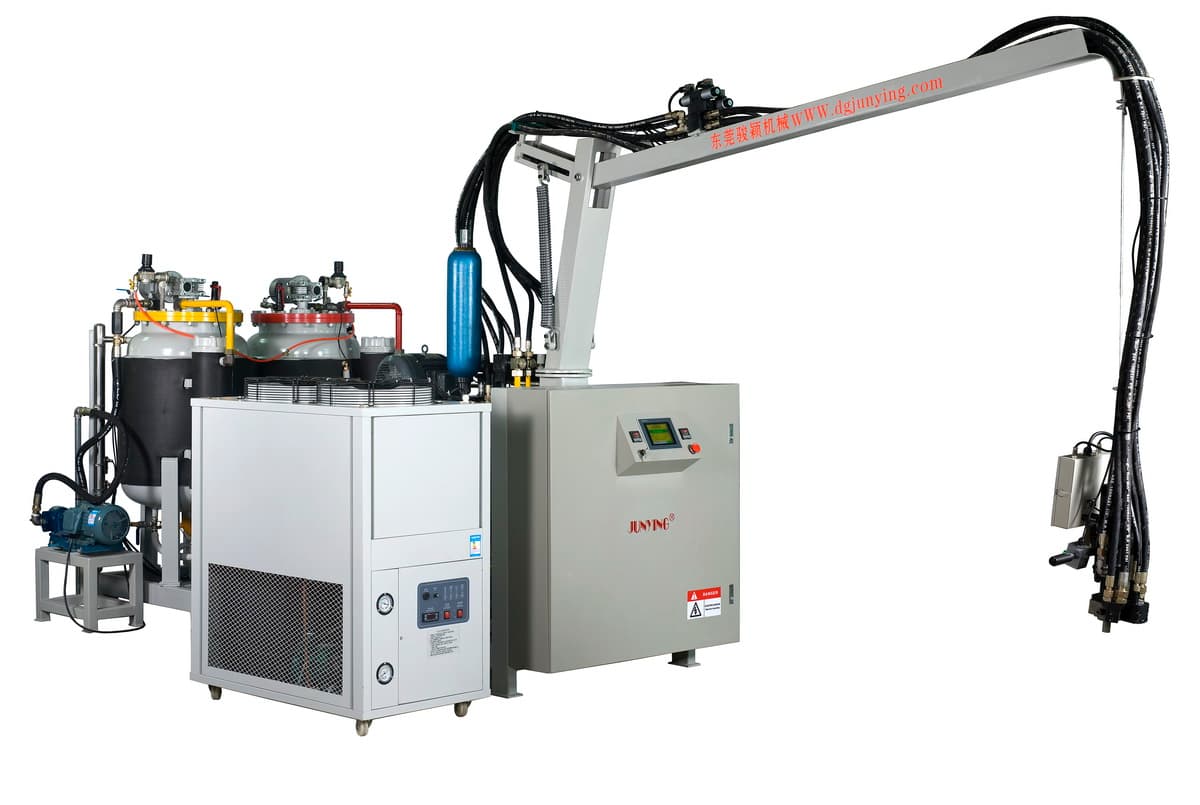
Foaming Machines
2-Component High-Pressure Foaming Machine
JPU 2-Component High-Pressure Foaming Machine — widest application range: Home Appliances, Insulation Materials, Automotive Interior, Door Panels, Imitation Wood